Inheriting the Voice – Experience, Legacy, Future
What if the world was suddenly turned upside down and jazz ruled the planet? The thought which our guest, British saxophonist, composer and rapper Soweto Kinch toys with in his song Jazz Planet, is not so far-off. Collaboration, respect, reciprocity, selflessness, collectivity… What if these values became the guiding principles of society?
A decade ago, Kinch inspired an essay titled “If Jazz Ruled the World,” penned by a former journalist at Delo, now the artistic director of the Ljubljana Jazz Festival and the author of this editorial. These are values that cannot be taken for granted, especially not today. That is why, in a music with complex roots such as jazz, intergenerational flow has always been crucial. The lineage not only explains the origins of a musician’s own vocabulary but also reveals the genealogy of a certain expression. The people you learn from shape who you become.
Although mentorship is disappearing in all other areas of life and work, in jazz it remains an important form of knowledge transfer. Not just technical skills, but above all life experiences. With generational traumas inherited as well, not to frustrate the new generation but rather to let them recognize and respect the work and the path their predecessors paved for them. To be aware of the obstacles they overcame, of the powers that be they fought – in short, to acknowledge the historical, political, and cultural circumstances that shaped them. This persistence and resistance as an immanent force of jazz expression is passed on from generation to generation.
Miles Davis – whose centennial anniversary we will mark with a screening of the French film Elevator to the Gallows, a cult classic thanks to his extraordinary soundtrack – was known for his tough love towards his younger bandmembers. Not only that made them more resilient and prone to take more chances, but these spears like vectors guided their careers. Their boldness and fresh ideas let him stay miles ahead of the game.
It is precisely this alternating current of experiences, aesthetics, and ideas that is reflected in the program of the 67th Ljubljana Jazz Festival, which brings together a generation of legends in their 70s in a playful and selfless dialogue with the new hopes of jazz.
Pat Metheny with a dynamic young rhythm section, Dee Dee Bridgewater with her powerful all-women group and a tribute to the iconic songs of female predecessors, Aki Takase with a former student in a timeless ensemble, Zlatko Kaučič with one of the combos of aspiring improvisers he has been nurturing in a free spirit for decades, and soulful Bilal, who unites the spirits of Betty Carter and J Dilla. In spirit, our giants who paved the way for jazz music in Slovenia will also be with us, as Gombač and Vollmaier will remember them. The lineup also features a selection of the most prominent contemporary female artists who are shaping their vision of the future while honoring the traditions of their native environments inspired by their mentors on their respective instruments: South Korean drummer Sun Mi Hong, Chilean saxophonist Melissa Aldana, and Mexican vibraphonist Patricia Brennan.
This year’s artist-in-residence, saxophonist Lenart De Bock, is often guided by the spiritual principles of another giant whose centennial we are celebrating this year – John Coltrane. An improvised solo performance by virtuoso pianist Marko Črnčec will surely reveal some references and quotes from his role models, the flourishing branch of European jazz will be represented by the Polish group Błoto, while the values of the domestic jazz new bloods will be showcased by five young Slovenian ensembles on the stage under the tree.
Since we’re invoking great spirits, we invited Italian vibraphonist Pasquale Mirra to enter into a dialogue with the young poet and visionary Srečko Kosovel, in the year we mark the 100th anniversary of his death.
So, join us and listen to jazz – past and present – in a dialogue that might reveal the ideal of what we, as a society, can become.
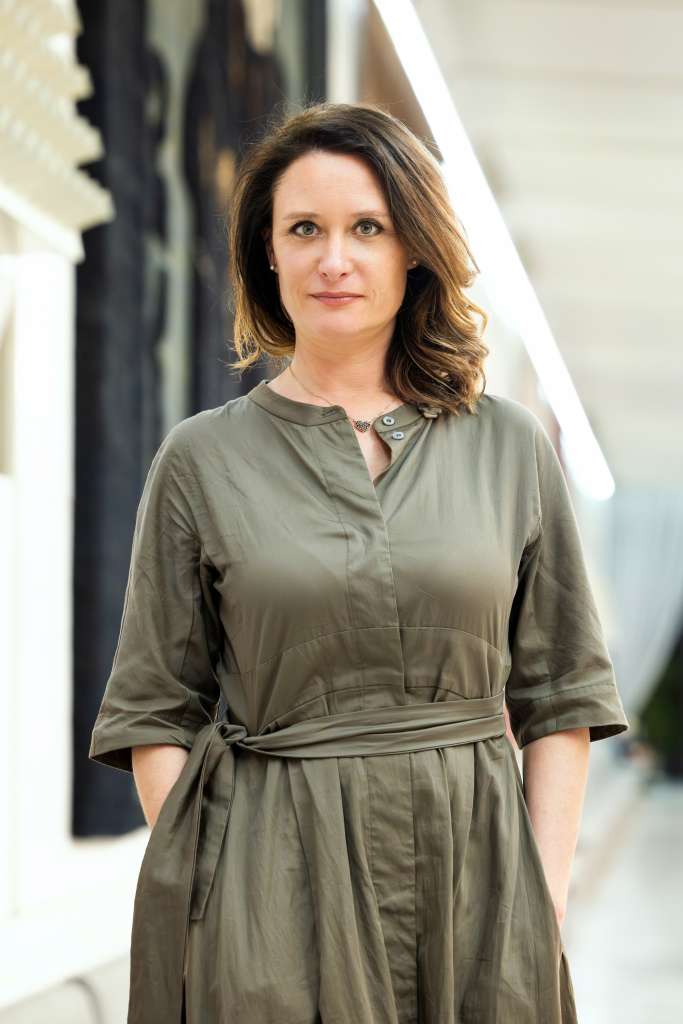
Tina Lešničar, Artistic Director of Jazz festival Ljubljana